In the US, drinks are one of the most overlooked sources of calories, sugar, and caffeine. From morning coffee to afternoon refreshers, what you sip daily can quietly affect your weight, energy levels, and overall health.
This nutrition checklist for daily drinks helps you quickly evaluate popular beverages or coffee, smoothies, juices, and specialty café drinks so you can make smarter choices without giving up your favorites.
Why Drink Nutrition Matters
Many Americans track meals but ignore drinks. Liquid calories digest quickly, don't trigger fullness like solid food, and often contain added sugar.
A single café drink can equal:
- A full breakfast in calories
- Your entire daily sugar limit
- Half (or more) of your daily caffeine intake
Understanding drink nutrition is essential for energy, weight management, and overall wellness.
The Daily Drink Nutrition Checklist for Daily Drinks
Before ordering or pouring your next drink, consider these nine key factors.
1. Calories: Are You Drinking Extra Meals?
Liquid calories add up fast because they don't create satiety like food.
Healthy calorie ranges:
- 0-50 calories (hydration drinks)
- 50-150 calories (daily coffee or tea)
- 200+ calories (treat or meal replacement)
Many flavored coffee drinks in the US can exceed 300-500 calories, especially at popular chains like Dunkin' and Starbucks. Being aware of calories helps prevent unintended weight gain.
If you want to understand why this matters in real orders, see why counting Starbucks drink calories matters.
2. Sugar: Hidden Calories in Every Sip
Added sugar is the main concern in daily beverages. According to the American Heart Association, men should aim for ≤36g added sugar/day and women ≤25g.
Many popular drinks exceed these limits in a single serving. Watch out for:
- Flavored lattes
- Lemonades and refreshers
- Bottled smoothies
- Energy drinks
Tip: Reducing sugar in your daily drinks improves energy, mood, and long-term health. Since Dunkin' and Starbucks are the most purchased coffee chains in the US, it's especially important to monitor sugar in these drinks.
For low-sugar options, explore keto-friendly Starbucks drinks and keto-friendly Dunkin drinks.
3. Protein: Does the Drink Keep You Full?
Protein helps stabilize blood sugar, reduce cravings, and improve satiety.
Protein guide:
- 0-2g → hydration only
- 5-10g → light snack
- 15-30g → meal replacement or post-workout drink
Milk-based lattes, protein shakes, and smoothies are better choices than sugar-only beverages. To understand protein quality not just quantity read Protein Quality Score Explained | How to Choose High-Quality Protein.
You can also learn how to personalize intake using How to Calculate Protein Intake & Protein Quality Score.
4. Fat: Quality Matters
Fat is not the enemy but poor-quality fat can sabotage your nutrition.
Better options:
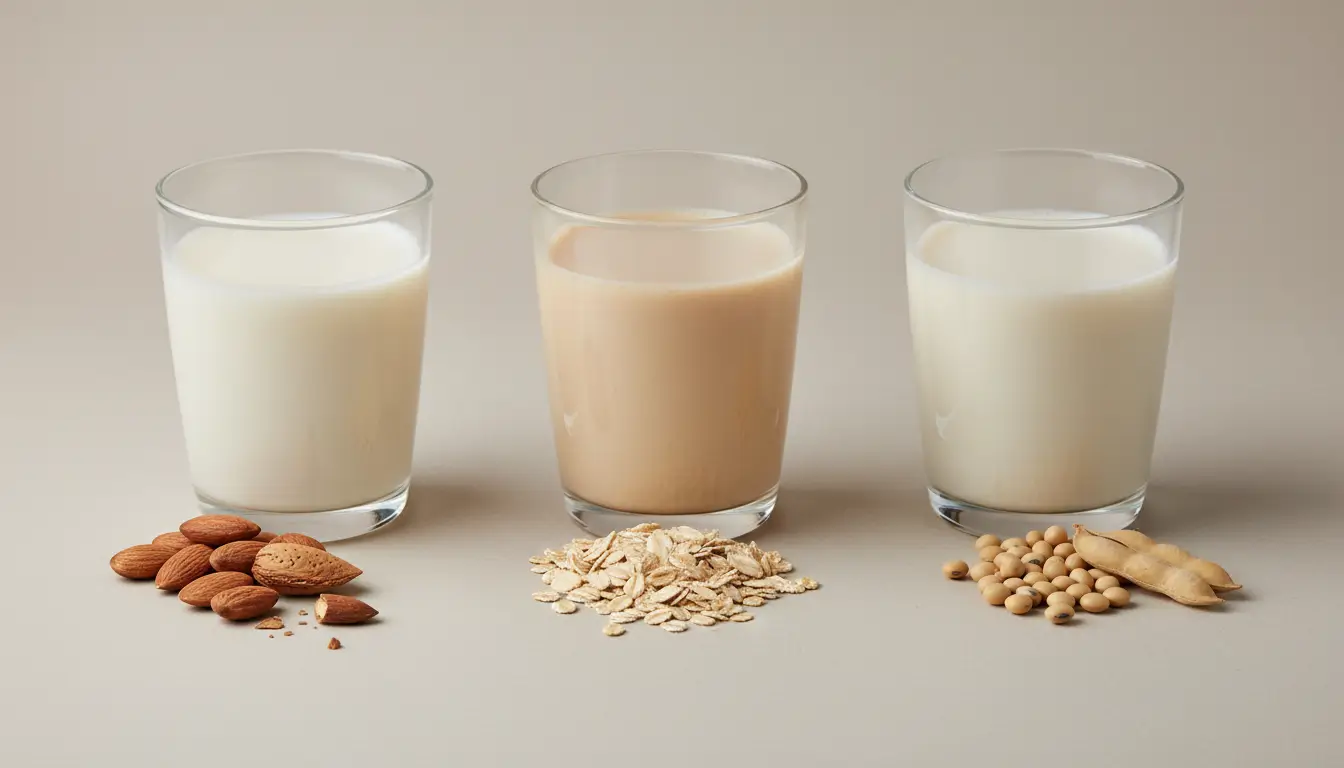
- Low-fat, almond, or oat milk
- Nut-based smoothies
Limit:
- Artificial creamers
- Hydrogenated oils
- Excess whipped toppings
Milk choice alone can change calories and fat significantly. Use best Starbucks milk options and nutrition and Dunkin milk options: calories and best choices to make smarter swaps.
5. Caffeine: Track More Than Just Coffee
Caffeine is easy to overconsume, especially when spread across multiple drinks.
The FDA recommends up to 400 mg of caffeine per day for most adults, roughly 3-4 standard cups of coffee.
Since Dunkin' and Starbucks are among the most purchased coffee chains in the US, you should watch caffeine carefully especially if you have multiple drinks daily.
6. Fiber: Often Missing
Fiber slows sugar absorption, improves digestion, and increases fullness. Most juices and coffee drinks contain zero fiber, even if fruit-based.
Better choices:
- Whole-fruit smoothies
- Fiber-fortified protein shakes
Aim for 3g+ fiber per blended drink when possible.
7. Ingredients: Simpler Is Better
Always check the ingredients list.
Choose:
- Real foods
- Minimal processing
- Natural sweeteners
Avoid:
- Artificial dyes
- Long syrup lists
- Excess additives
If it doesn't resemble real food, it probably isn't ideal for daily consumption.
8. Sodium: A Quiet Contributor
Some protein and vegetable drinks contain high sodium. According to the American Heart Association, adults should aim for ≤2,300 mg sodium/day, with an ideal limit of 1,500 mg.
Daily drink target:
- Under 200 mg sodium per drink
Too much sodium, especially combined with caffeine, can cause bloating and dehydration.
9. Purpose: Why Are You Drinking This?
Always ask: What is this drink supposed to do for me?
- Hydration → water, electrolyte drinks (low sugar)
- Energy → coffee or tea
- Nutrition → protein shake or smoothie
- Enjoyment → occasional treat
Daily drinks should support your health goals, not work against them.
Dunkin' Drinks: Make Every Order Count
Dunkin' is one of the most purchased coffee chains in the US, and many Americans grab a drink daily without realizing how quickly calories, sugar, and caffeine can add up. A medium flavored latte can contain 300+ calories and 30g of sugar, nearly your full daily sugar limit.
Smarter Dunkin choices:
- Choose small or medium sizes
- Use skim, almond, or oat milk
- Limit syrup pumps and skip whipped cream
For a complete guide to evaluating Dunkin drinks, check our Dunkin Nutrition Checklist to learn what to look for in calories, sugar, protein, caffeine, and more. For exact nutrition based on your order, use the Dunkin drink nutrition calculator.
Starbucks Drinks: Balance Customization with Nutrition
Starbucks offers nearly unlimited customization, which is great for taste but risky for calories and sugar. Even "light" drinks can exceed 400 calories and 50g sugar once extras are added.
Mindful Starbucks tips:
- Order Tall sizes when possible
- Use skim or plant-based milk
- Reduce syrups and sauces
- Choose unsweetened coffee or tea
For a complete guide to evaluating Starbucks drinks, check our Starbucks Nutrition Checklist to learn what to look for in calories, sugar, protein, caffeine, and more. Check your exact drink using the Starbucks drink nutrition calculator or explore low-calorie Starbucks drinks under 150 calories.
Conclusion
In the US, drinks are one of the easiest ways to unintentionally sabotage daily nutrition. Using this nutrition checklist for daily drinks helps you:
- Stay aware of calories, sugar, and caffeine
- Make smarter café and homemade drink choices
- Build sustainable, realistic habits
Since Dunkin' and Starbucks dominate daily coffee routines, small, informed changes can have a big impact over time.