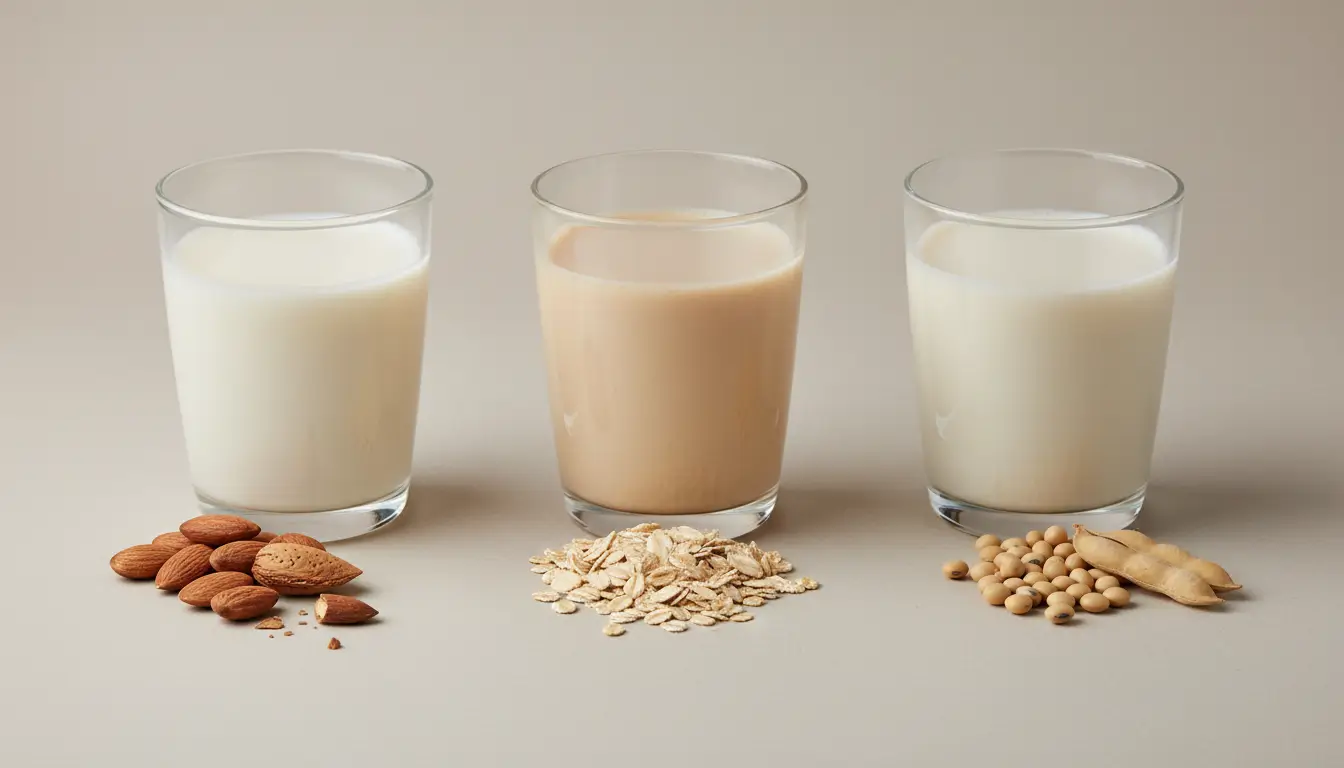
Plant-based milk has moved from niche to mainstream in coffee shops and grocery stores across the U.S. Whether you're lactose intolerant, vegan, managing weight, or simply optimizing macros, the milk you choose can significantly change your drink's nutrition, texture, and overall balance.
Picture yourself standing at a café counter or grocery aisle, staring at the options:
Oat. Almond. Soy.
They all sound healthy. They all feel like smart choices. But which one actually makes sense for your goals?
Let's break it down clearly, no hype, no trends, just practical, evidence-based guidance.
Why Milk Choice Matters More Than You Think
In most lattes, shaken espressos, cold brews, and specialty drinks:
- Milk makes up the largest portion of the drink
- It determines creaminess and mouthfeel
- It heavily influences calories and carbohydrates
- It affects how balanced or heavy your drink feels
Espresso is powerful—but milk is the foundation.
A small milk swap can make a noticeable difference without changing what you enjoy.
Oat Milk: Creamy, Smooth, and Naturally Sweet
Oat milk has become a café favorite, especially for hot lattes.
Why people love it:
- Thick, smooth texture
- Naturally sweeter taste
- Foams beautifully
- Closest mouthfeel to whole dairy milk
If you want your coffee to feel indulgent and satisfying, oat milk delivers.
What to consider:
- Oats are naturally higher in carbohydrates
- Many commercial oat milks contain added oils (some people prefer options without seed oils)
- Not ideal if you're intentionally keeping carbs low
Best for: Flavor-first coffee drinkers who want a creamy café-style experience.
Almond Milk: Light, Clean, and Calorie-Friendly
Almond milk is often the default choice for people focused on lighter drinks.
Why it's popular:
- Very low calorie density
- Light, refreshing texture
- Minimal impact on blood sugar
- Works especially well in iced drinks
If weight management or calorie control is your priority, almond milk is usually the easiest adjustment.
What to consider:
- Thin consistency in hot drinks
- Very low protein
- Some people experience digestive sensitivity depending on brand or additives
Best for: Calorie-conscious or lower-carb lifestyles.
Soy Milk: The Most Balanced Plant-Based Option
Soy milk may get less attention lately, but nutritionally it's one of the strongest plant-based options.
Why it stands out:
- Higher protein than other plant milks
- More balanced overall nutrition
- Creamier than almond milk
- Froths well for hot drinks
Soy milk is the closest plant-based alternative to dairy milk in structure and protein content. Despite older myths, moderate soy intake is widely considered safe for most healthy adults.
Best for: People who want better protein balance and a dairy-like feel in their coffee.
Quick Comparison Table
| Feature | Oat Milk | Almond Milk | Soy Milk |
|---|---|---|---|
| Creaminess | ⭐⭐⭐⭐ | ⭐⭐ | ⭐⭐⭐ |
| Natural Sweetness | Higher | Low | Moderate |
| Protein Support | Low | Very Low | Higher |
| Carb Impact | Higher | Lowest | Moderate |
| Calcium (fortified) | Varies by brand | Varies by brand | Varies by brand |
| Best For | Lattes | Iced & low-cal drinks | Balanced nutrition |
Swipe to see more →
Which Milk Is Healthier: Oat, Almond, or Soy?
There's no universally "healthiest" plant milk.
The best choice depends entirely on your goal:
- Lowest calories → Almond milk
- Higher protein → Soy milk
- Creamiest texture → Oat milk
Most plant milks sold in the U.S. are fortified, so calcium content varies by brand. If calcium intake matters to you, checking the nutrition label is essential.
How to Choose the Right Milk (Practical & Goal-Based)
If someone asked which milk they should order, the best answer would start with a question:
- Are you tracking calories?
- Are you limiting carbohydrates?
- Are you trying to increase protein intake?
- Or do you just want the creamiest latte possible?
Your goal changes the answer.
Simple Breakdown
| Your Goal | Best Choice | Why It Makes Sense |
|---|---|---|
| Weight management | Almond milk | Lightest overall option |
| Lower blood sugar impact | Almond milk | Minimal carbohydrates |
| Muscle or protein support | Soy milk | Complete plant protein |
| Daily balanced nutrition | Soy milk | Closest to dairy structure |
| Creamy café texture | Oat milk | Rich mouthfeel |
Swipe to see more →
There isn't one winner—only what fits your lifestyle.
What Matters More Than Milk
Here's what most people overlook:
Milk is rarely the biggest sugar source in your drink.
Flavored syrups, caramel drizzle, sweetened cold foam, and whipped cream often add far more calories than switching from oat to almond milk ever will.
Smart ordering combines:
- A thoughtful milk choice
- Fewer sweetened add-ons
- Awareness of portion size
Those changes matter more than chasing trends.
Before You Go…
Plant-based milk isn't just about being dairy-free. It's about aligning your drink with your goal.
- Almond milk → Best for lighter, lower-calorie drinks
- Soy milk → Best for balanced nutrition and protein
- Oat milk → Best for taste and creamy texture
The smartest order isn't the trendiest one. It's the one that fits your body, your goals, and how you actually enjoy coffee.