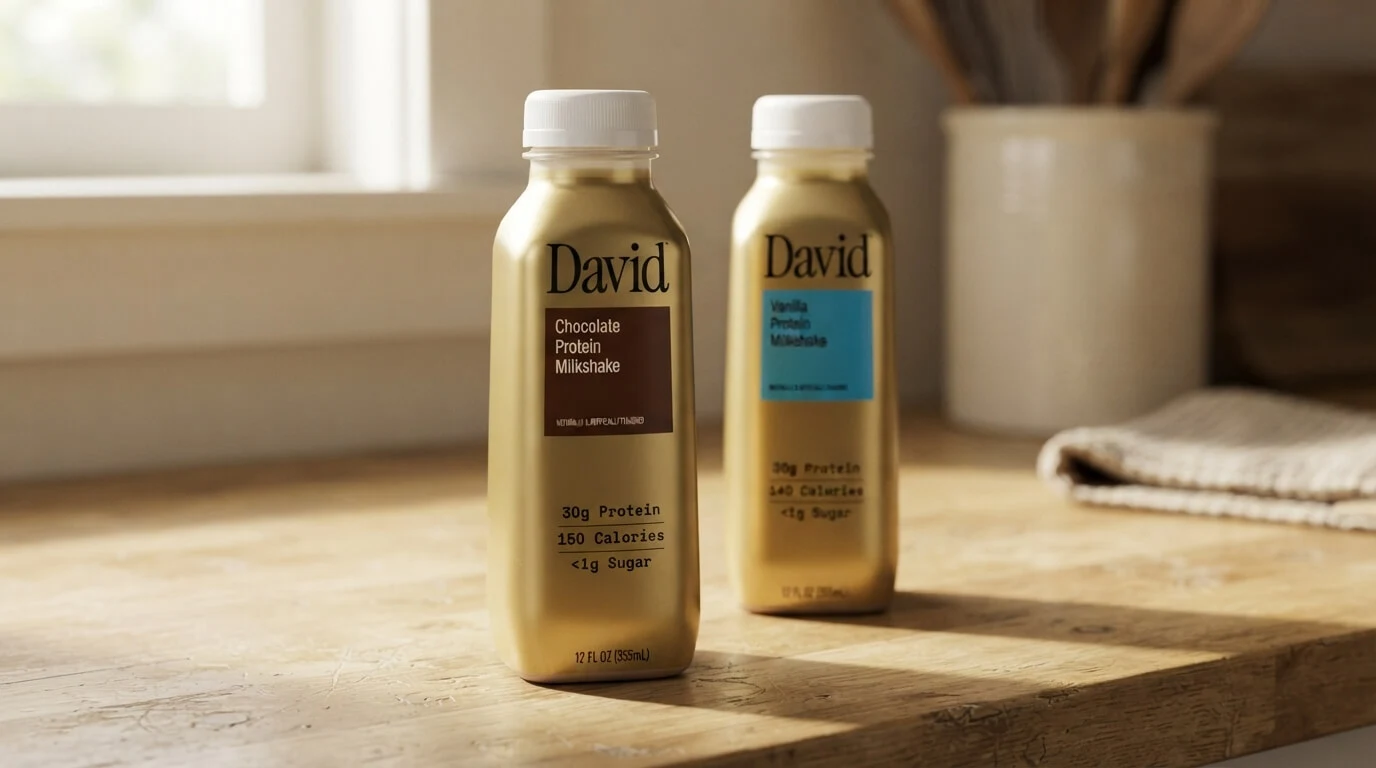
David Protein Milkshake Nutrition Facts (Per 12 fl oz Bottle)
← Swipe to see more →
Protein density: 30g in 140 calories is 0.214g protein per calorie, the highest we have recorded in a mainstream RTD shake.
Calcium: 760mg per bottle, roughly 60% DV, unusually high for a shake this light.
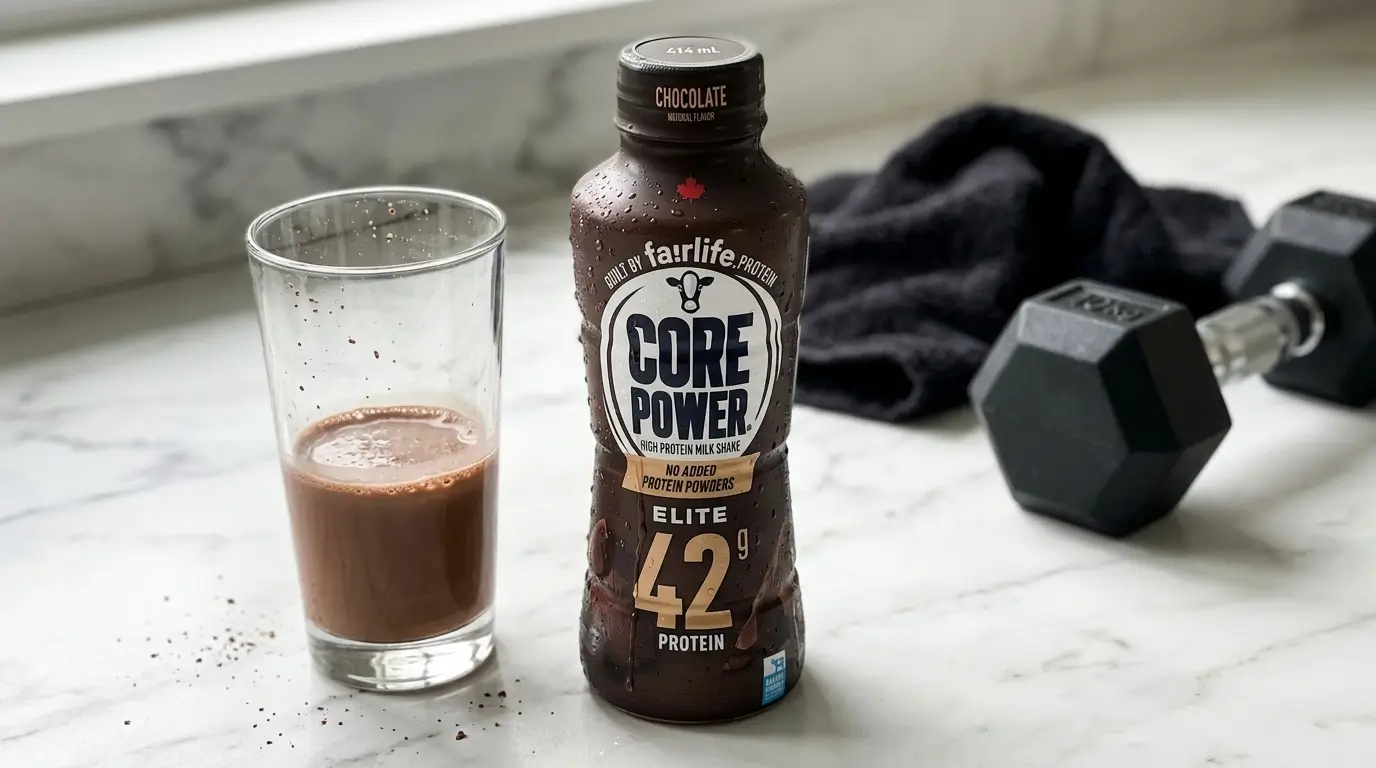
Sugar: under 1g per bottle, against 7g in Fairlife Core Power Elite.
What We Can and Cannot Confirm Yet
We would rather tell you what is missing than quietly fill the gaps.
Confirmed for Vanilla: 12 fl oz (355mL) bottle, 140 calories, 30g protein, 1.5g total fat, 30mg cholesterol, 240mg sodium, 3g total carbohydrate, under 1g sugar, 760mg calcium, 540mg potassium.
Confirmed for Chocolate: 150 calories, 30g protein, 2g total fat, 280mg sodium, 6g total carbohydrate, under 1g sugar, 740mg calcium, 810mg potassium.
Not confirmed: cholesterol for Chocolate, dietary fiber for either flavor, the full ingredient list, retail price, and pack sizes. David does not have a milkshake page live at the time of writing.
Not done yet: the taste test. We do not publish taste and texture ratings for products we have not actually opened, and there is not enough verified buyer feedback yet to summarise honestly either. Flavor, sweetness, mouthfeel and the value score go on this page once we have bottles.
What Is EPG, and Why Does David Use It?
This is the part worth understanding, because it explains the whole nutrition panel.
EPG stands for esterified propoxylated glycerol. It is a plant-oil-derived fat replacer that behaves like fat in the mouth, carrying flavor and giving richness and body, but passes through the digestive tract largely unabsorbed. So it contributes the texture of fat without contributing the calories of fat.
That is how David reaches numbers that otherwise do not add up. A shake with real milkshake body would normally need fat, and fat costs 9 calories a gram. EPG lets the product keep the mouthfeel while total fat stays at 1.5g and the calorie count stays at 140.
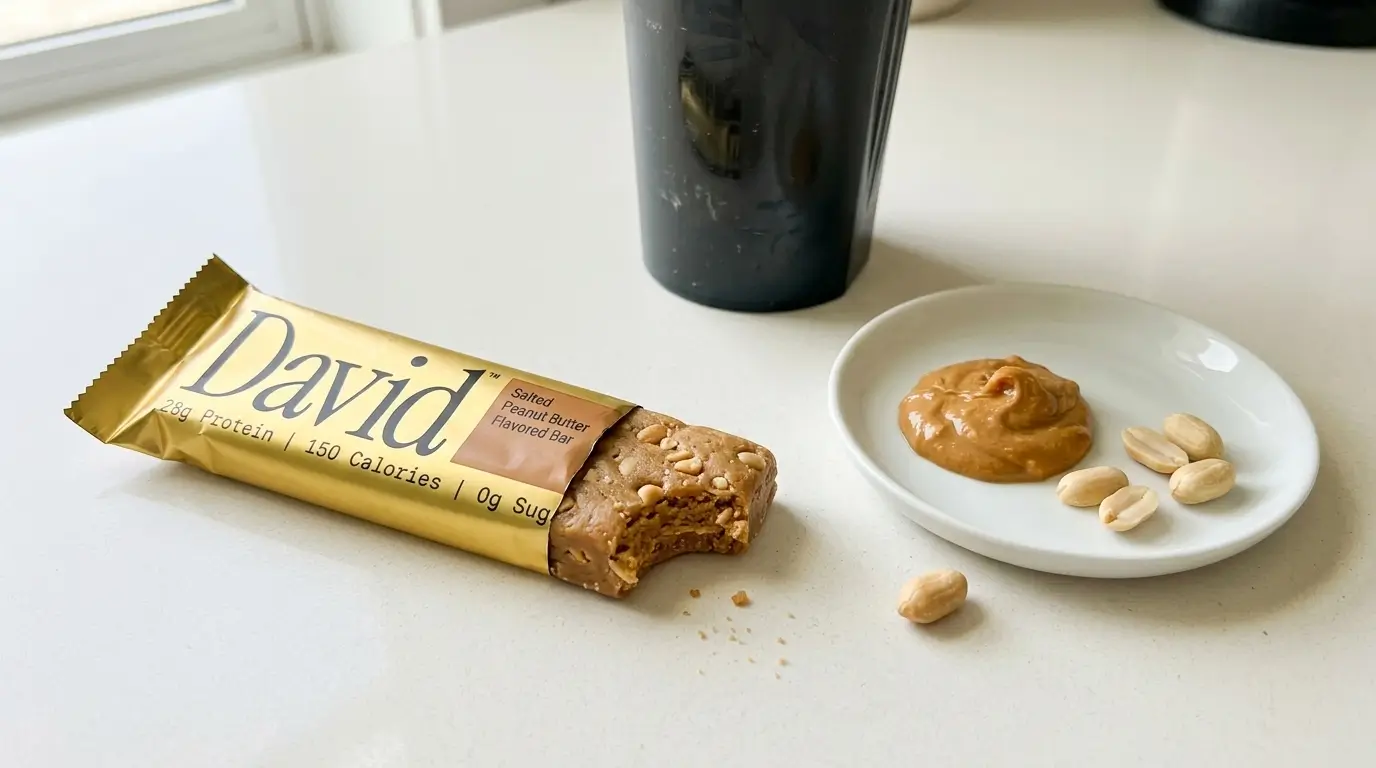
David already uses EPG in its bars, which is how those hit 28g of protein in 150 calories. The Protein Milkshake is, as far as we can tell, the first ready-to-drink shake to use it.
The honest caveat: EPG is a novel ingredient with a short consumer track record, and a recurring theme in feedback on David's bars is that some people get digestive discomfort, particularly when eating more than one in a day. If that is you with the bars, expect the same with the shake. Start with one bottle rather than a case.
Protein Density: How It Compares
This is the entire argument for the product, so here is the comparison against every RTD shake we have reviewed.
← Swipe to see more →
Two things fall out of that table.
David wins on ratio, Fairlife still wins on absolute protein. If your goal is the biggest single protein hit in one bottle, Core Power Elite at 42g is still the answer. If your goal is 30g at the smallest calorie cost, David takes it.
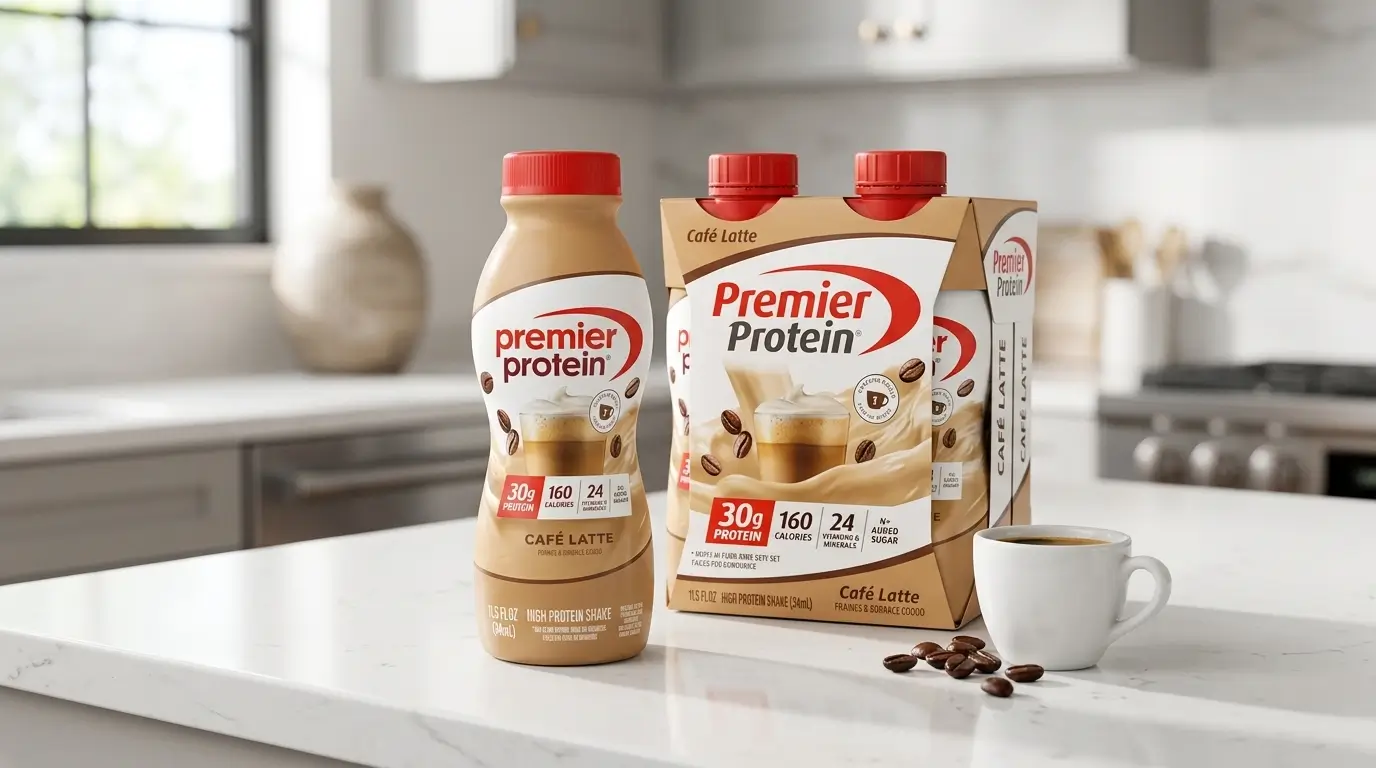
The gap over Premier Protein is real but narrow. Premier gets 30g into 160 calories. David Vanilla does it in 140. That is a 20 calorie edge, which matters if you drink one daily during a cut and matters very little otherwise. Price will decide this one, and we do not know the price yet.
The Micronutrients Are Better Than Expected
Worth calling out separately, because it is the part the marketing does not lead with.
Calcium lands at 760mg in Vanilla and 740mg in Chocolate, roughly 60% of the daily value in a 140 to 150 calorie bottle. For comparison, Fairlife Core Power Elite carries about 900mg but costs you 230 calories to get it. Per calorie, David is ahead.
Potassium is where the two flavors split hardest: 540mg in Vanilla, 810mg in Chocolate. That 50% jump is almost certainly the cocoa, which is naturally potassium-rich. If you are chasing potassium, and it is one of the nutrients that quietly goes missing when total food intake drops, Chocolate is the better bottle by a clear margin.
Sodium is the one to watch: 240mg in Vanilla, 280mg in Chocolate. Neither is high for the category, but if you are drinking two bottles a day it adds up alongside everything else.
Chocolate also carries 6g of total carbohydrate against Vanilla's 3g, with sugar still under 1g in both. The extra carbohydrate is cocoa solids and fiber-bearing material rather than added sugar, and it is what buys you the higher potassium.
Together, this is a better micronutrient profile than the calorie count suggests, which is what you would expect from a real ultrafiltered dairy base rather than an isolate blend in water.
Where This Shake Actually Fits
The protein-per-calorie framing sounds like a gym product, but the strongest use case is the opposite.
If you are eating less than usual, whether from a deficit, a small appetite, or just a schedule that eats your meals, a 230 calorie shake takes a real bite out of the day. A 140 calorie shake carrying the same 30g does not. That is the situation where this bottle is genuinely better rather than just technically better, and it is the same logic we walk through in how to get enough protein when you can't eat much.
For everyone else, 30g of complete milk protein clears the leucine threshold for muscle protein synthesis in one bottle, which is the number that actually matters post-workout.
Buy This Shake If:
- You are in a calorie deficit and every 20 calories is spoken for
- You want 30g of protein without 220 to 230 calories riding along
- You have a small appetite and need density rather than volume
- You want the calcium and potassium of a real dairy shake at half the calories
- You already get on well with David bars and tolerate EPG
Skip This Shake If:
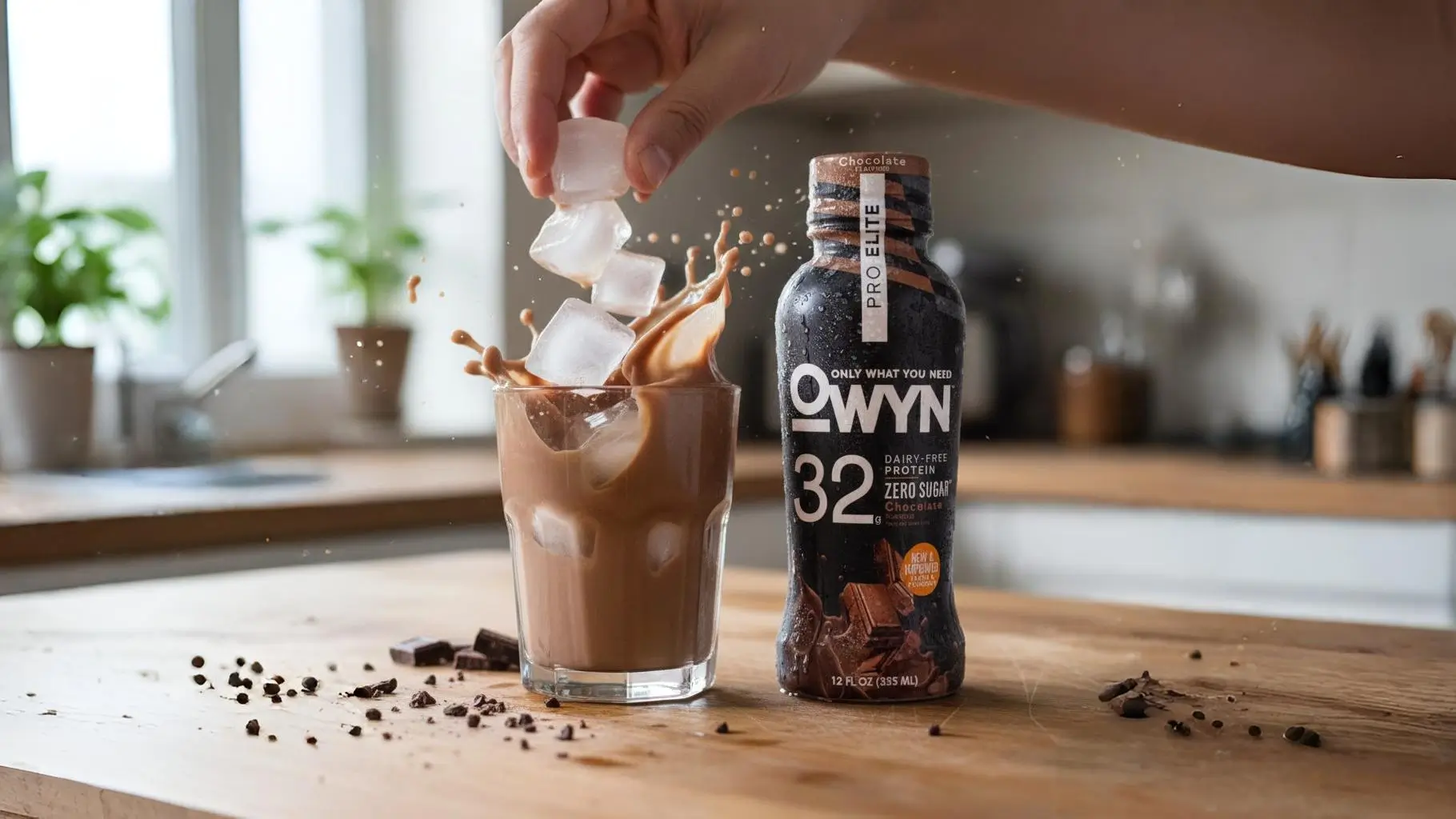
- You are vegan or dairy-free, since this is a milk protein base (try OWYN Pro Elite)
- You want the highest absolute protein per bottle (that is Fairlife Core Power Elite at 42g)
- EPG has bothered you before in David bars
- You are watching sodium closely and drink more than one shake a day
- You want a verified taste verdict before you buy, in which case wait for our update
Related Reads
- David Protein Bar Peanut Butter Review
- Fairlife Core Power Elite Chocolate Review
- Premier Protein Cafe Latte Shake Review
- Protein Coffee vs Protein Shake
- How to Get Enough Protein When You Can't Eat Much